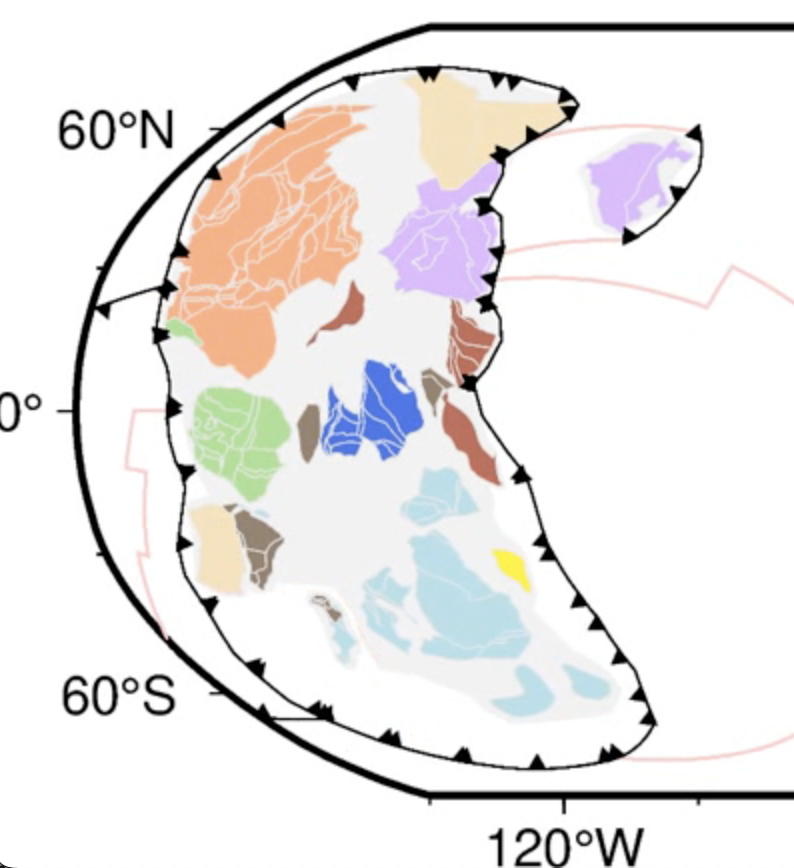
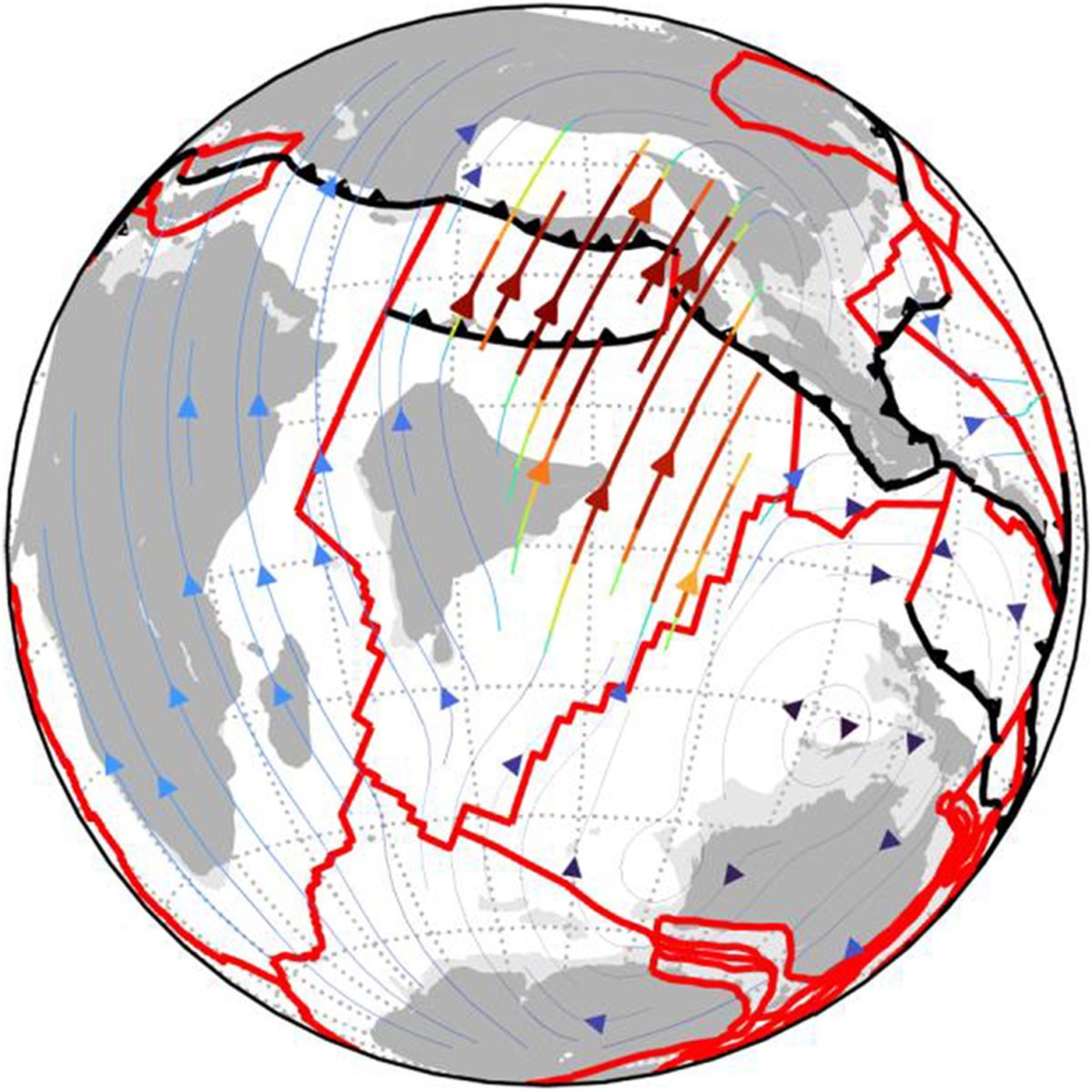
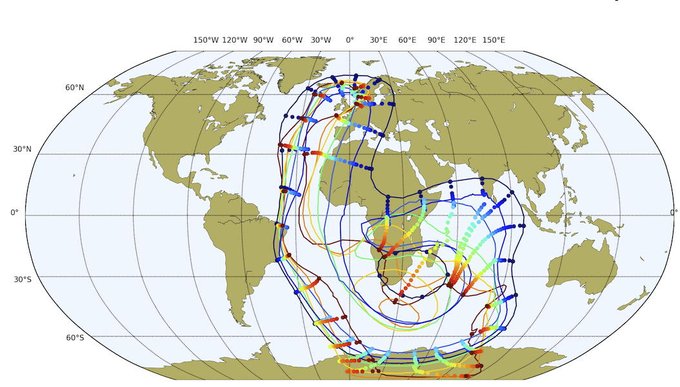
Understanding the intricate relationships between the solid Earth and its surface systems in deep time necessitates comprehensive full-plate tectonic reconstructions that include evolving plate boundaries and oceanic plates. In particular, a tectonic reconstruction that spans multiple supercontinent cycles is important to understand the long-term evolution of Earth’s interior, surface environments and mineral resources. Here, we present a new full-plate tectonic reconstruction from 1.8 Ga to present that combines and refines three published models: one full-plate tectonic model spanning 1 Ga to present and two continental-drift models focused on the late Paleoproterozoic to Mesoproterozoic eras. Our model is constrained by geological and geophysical data, and presented as a relative plate motion model in a paleomagnetic reference frame. The model encompasses three supercontinents, Nuna (Columbia), Rodinia, and Gondwana/Pangea, and more than two complete supercontinent cycles, covering ~40% of the Earth’s history. Our refinements to the base models are focused on times before 1.0 Ga, with minor changes for the Neoproterozoic. For times between 1.8 Ga and 1.0 Ga, the root mean square speeds for all plates generally range between 4 cm/yr and 7 cm/yr (despite short-term fast motion around 1.1 Ga), which are kinematically consistent with post-Pangean plate tectonic constraints. The time span of the existence of Nuna is updated to between 1.6 Ga (1.65 Ga in the base model) and 1.46 Ga based on geological and paleomagnetic data. We follow the base models to leave Amazonia/West Africa separate from Nuna (as well as Western Australia, which only collides with the remnants of Nuna after initial break-up), and South China/India separate from Rodinia. Contrary to the concept of a “boring billion”, our model reveals a dynamic geological history between 1.8 Ga and 0.8 Ga, characterized by supercontinent assembly and breakup, and continuous accretion events. The model is publicly accessible, providing a framework for future refinements and facilitating deep time studies of Earth’s system. We suggest that the model can serve as a valuable working hypothesis, laying the groundwork for future hypothesis testing.

Click on the image to watch the video on youtube
Publications
Applied Geochemistry: Multivariate statistical analysis and bespoke deviation network modeling for geochemical anomaly detection of rare earth elements
Rare earth elements (REEs), a significant subset of critical minerals, play an indispensable role in modern society and are regarded as “industrial vitamins,” making them crucial for global sustainability. Geochemical survey data proves highly effective in delineating metallic mineral prospects. Separating geochemical anomalies associated with specific types of mineralization from the background reflecting geological processes … Read more…
Geology: Submarine volcanism along shallow ridges did not drive Cryogenian cap carbonate formation – Reply
In their comment, Gernon et al. (2024) maintain that their “shallow ridge hypothesis” for cap carbonate formation (Gernon et al., 2016) is valid, disregarding abundant evidence to the contrary. Here we address four flaws in their argument. First, their hypothesis (Gernon et al., 2016) is based on a “proof by example” argument—a logical fallacy. Evidence … Read more…
Gondwana Research: Mapping paleoelevations along active continental margins with igneous geochemistry: A case study from South America
Mountains and mountain ranges, often situated at convergent plate margins, play a pivotal role in many fields of the Earth, climate, and biological sciences. Reconstructing past episodes of mountain building from the geological rock record is one of the main challenges for unravelling the ancient physical geography of Earth’s surface. Established methods for quantifying past … Read more…
Elements: Archean Geodynamics Underneath Weak, Flat, and Flooded Continents
Although a significant volume of crust was extracted from the mantle early in Earth’s history, the contribution of felsic rocks to the sedimentary record was minimal until ~3.0 Ga. On a hotter Earth, this conundrum dissipates if we consider that the felsic crust was buried under thick basaltic covers, continents were flooded by a near-global … Read more…
Nature Communications: Deep-sea hiatus record reveals orbital pacing by 2.4 Myr eccentricity grand cycles
Astronomical forcing of Earth’s climate is embedded in the rhythms of stratigraphic records, most famously as short-period (10^4–10^5 year) Milankovitch cycles. Astronomical grand cycles with periods of millions of years also modulate climate variability but have been detected in relatively few proxy records. Here, we apply spectral analysis to a dataset of Cenozoic deep-sea hiatuses … Read more…
New data set for refined boundaries between continental and ocean crust released
Earth’s topography and bathymetry with revised boundaries between continental and ocean crust overlain as thin red lines. We have released a refined data set of the boundaries between continental and ocean crust (COBs). The data can be downloaded from zenodo as GPlates-compatible gpmlz and as ESRI shapefile. The COBs are based on the data set … Read more…
Geology: Submarine volcanism along shallow ridges did not drive Cryogenian cap carbonate formation
The termination of Neoproterozoic “Snowball Earth” glaciations is marked globally by laterally extensive neritic cap carbonates directly overlying glacial diamictites. The formation of these unique deposits on deglaciation calls for anomalously high CaCO3 saturation. A popular mechanism to account for the source of requisite ocean alkalinity is the shallow-ridge hypothesis, in which initial spreading ridges … Read more…
Geology: Duration of Sturtian “Snowball Earth” glaciation linked to exceptionally low mid-ocean ridge outgassing
The Sturtian ‘Snowball Earth’ glaciation (~717–661 Ma) is regarded as the most extreme interval of icehouse climate in Earth’s history. The exact trigger and sustention mechanisms for this long-lived global glaciation remain obscure. The most widely debated causes are silicate weathering of the ~718 Ma Franklin LIP, and changes in the length and degassing of … Read more…
Tectonics: Differential Uplift Triggered Basin-And-Range System: Evidence From Low-Temperature Thermochronology in Eastern NE Asia
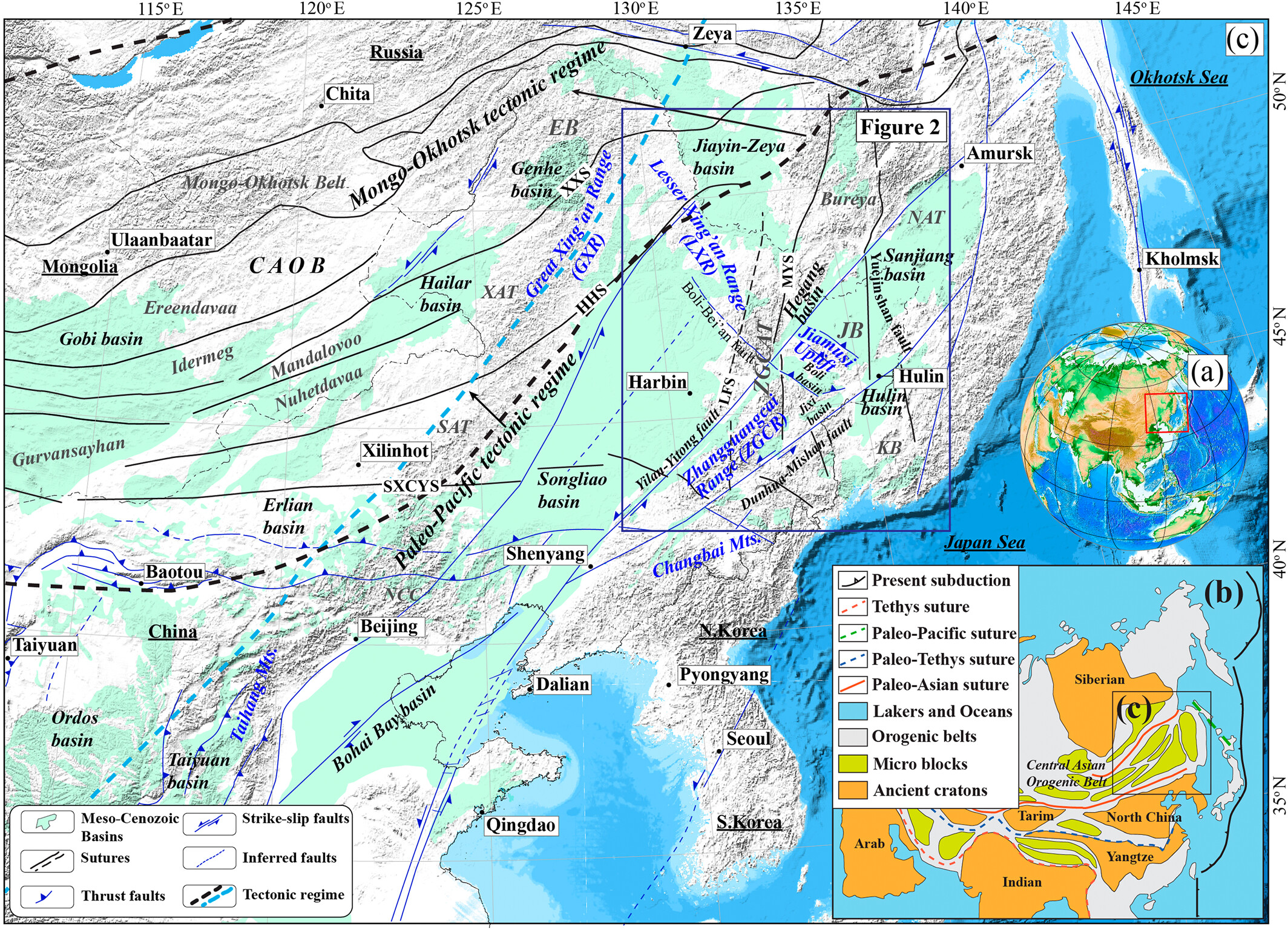
Since the Mesozoic, eastern NE Asia has experienced multiple tectonic events, resulting in a complex structure and forming one of the world’s largest Meso-Cenozoic lacustrine basin systems. Presently, basin evolution models require further elucidation regarding the simultaneous generation of diverse rift basins and the potential impact stemming from the closure of the Mudanjiang Ocean, whose … Read more…
Nature: Landscape dynamics and the Phanerozoic diversification of the biosphere
The long-term diversification of the biosphere responds to changes in the physical environment. Yet, over the continents, the nearly monotonic expansion of life started later in the early part of the Phanerozoic eon1 than the expansion in the marine realm, where instead the number of genera waxed and waned over time2. A comprehensive evaluation of … Read more…
Environmental controls on the resilience of Scott Reefs since the Miocene (North West Shelf, Australia): Insights from 3D seismic data
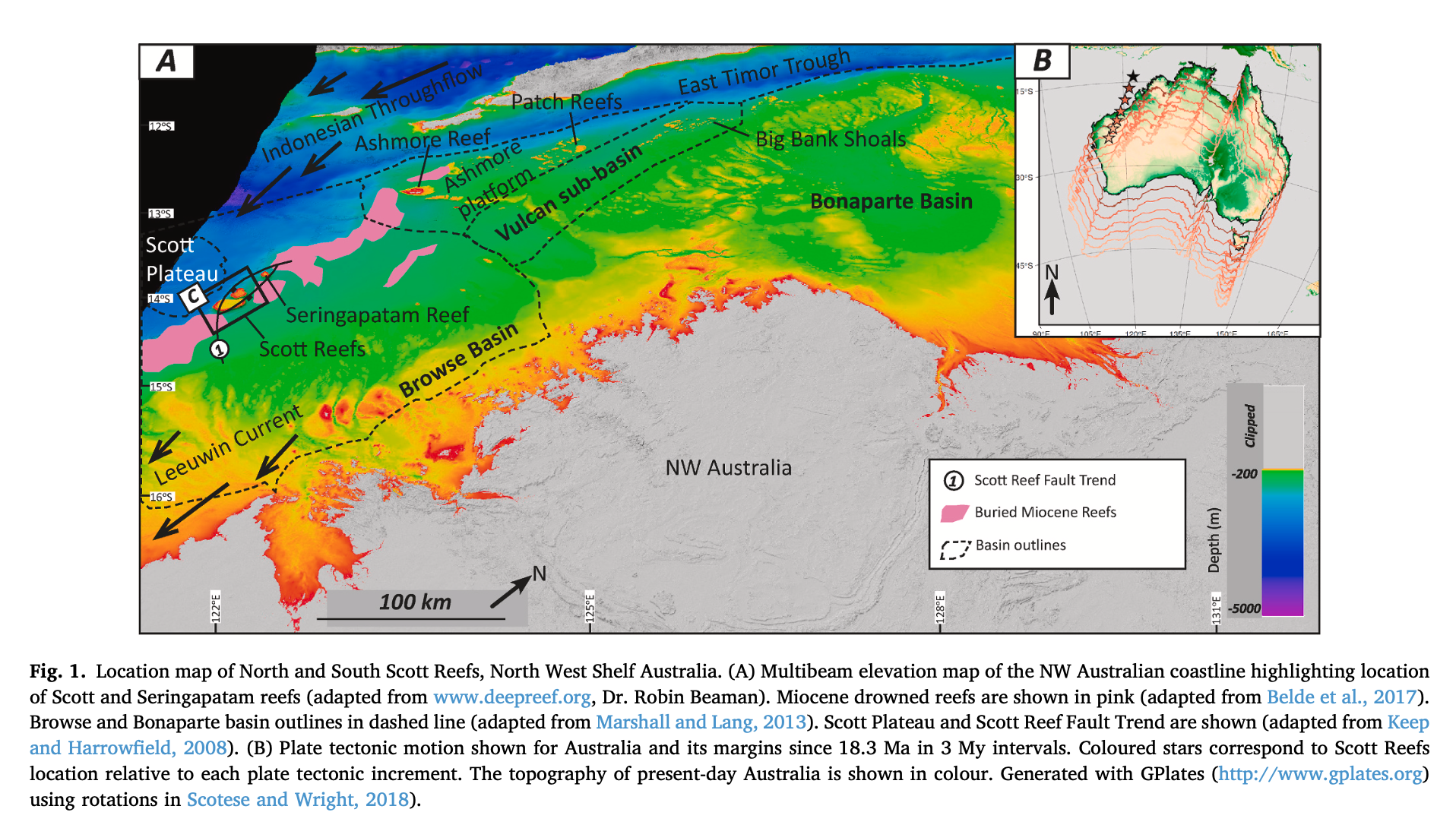
North and South Scott Reefs are isolated carbonate platforms separated by an inter-reef channel on the NWS, Australia. They evolved from a barrier reef in the Miocene, and into isolated carbonate build-ups (ICB’s) during the Pliocene, and finally to the isolated carbonate platforms that continued to present day. However, the timings of coral reef turn … Read more…
The role of surface processes in basin inversion and breakup unconformity
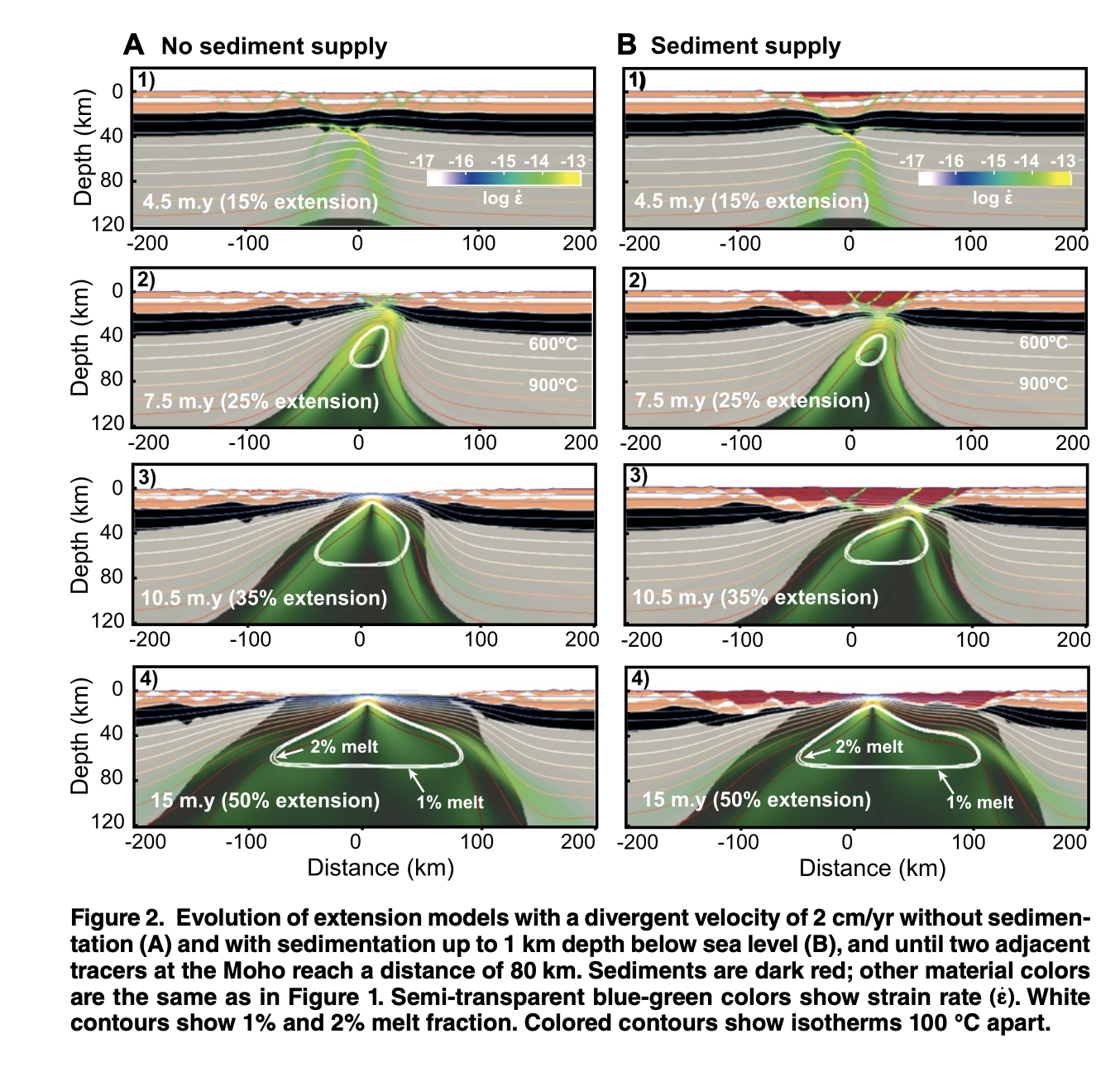
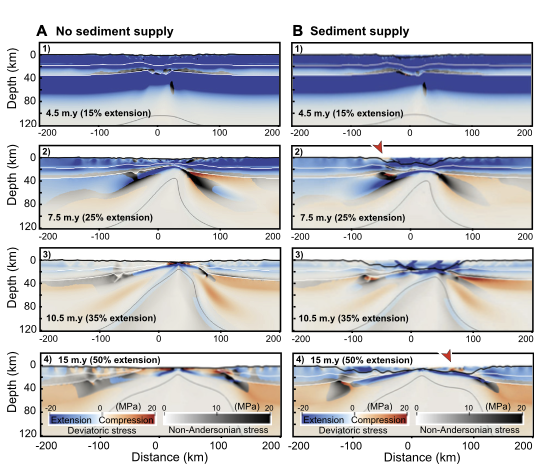
In the context of continental extension, transient compressional episodes (stress inversion) and phases of uplift (depth inversion) are commonly recorded with no corresponding change in plate motion. Changes in gravitational potential energy during the rifting process have been invoked as a possible source of compressional stresses, but their magnitude, timing, and relationship with depth inversions … Read more…
The Role of Isostasy in the Evolution and Architecture of Fold and Thrust Belts
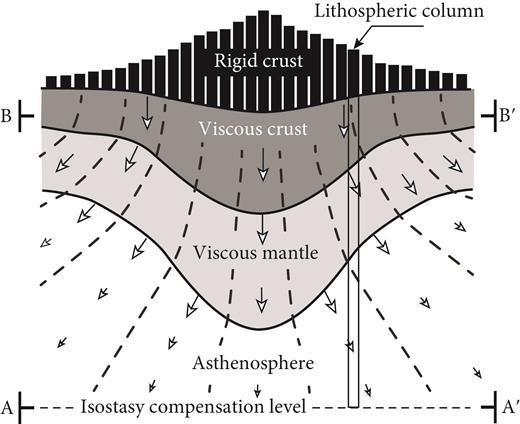
Warmer conditions prevalent in the hinterland of orogenic systems facilitate local ductile flow underneath the surface load, making Airy-like local isostasy more prevalent in these domains. In contrast, flexural isostasy better describes the regional response to surface loading of more rigid lithospheres. Here, we explore how the interaction between horizontal tectonic mass transfer and vertical … Read more…
Scientific Reports: A geospatial platform for the tectonic interpretation of low‐temperature thermochronology Big Data
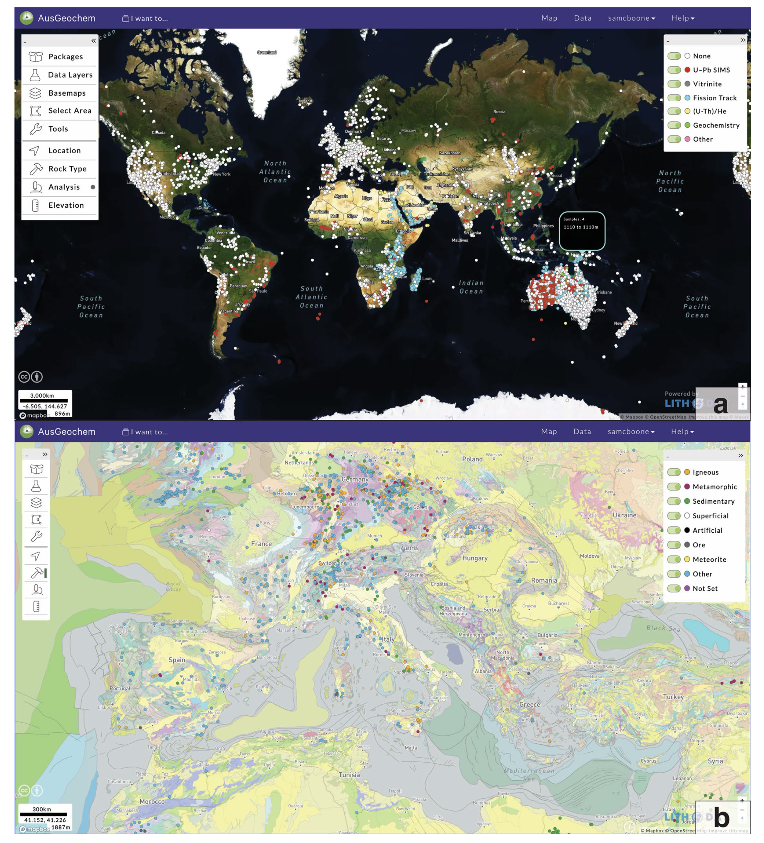
Low‐temperature thermochronology is a powerful tool for constraining the thermal evolution of rocks and minerals in relation to a breadth of tectonic, geodynamic, landscape evolution, and natural resource formation processes through deep time. However, complexities inherent to these analytical techniques can make interpreting the significance of results challenging, requiring them to be placed in their … Read more…
Scientific Reports: Kimberlite eruptions driven by slab flux and subduction angle
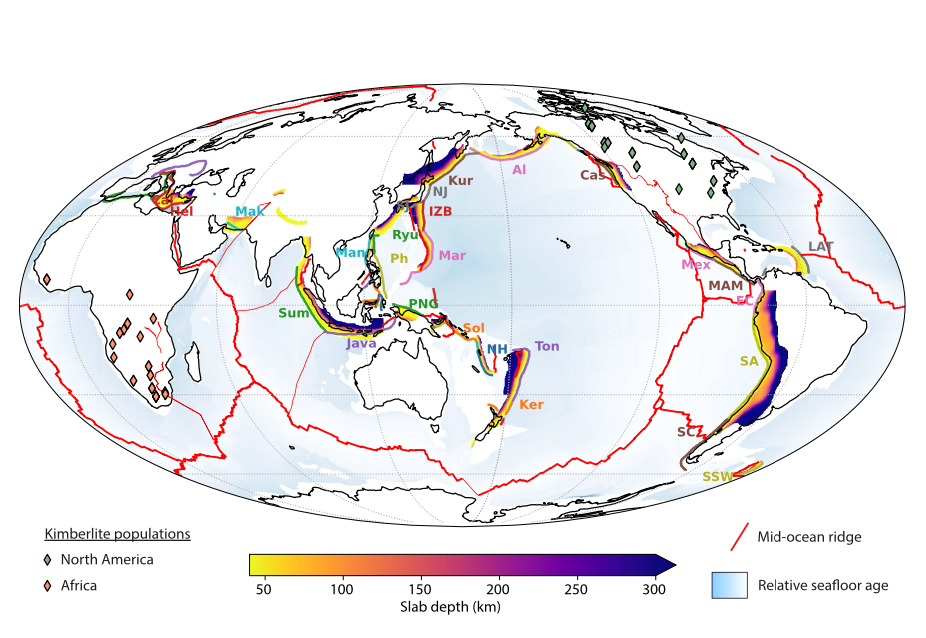
Kimberlites are sourced from thermochemical upwellings which can transport diamonds to the surface of the crust. The majority of kimberlites preserved at the Earth’s surface erupted between 250 and 50 million years ago, and have been attributed to changes in plate velocity or mantle plumes. However, these mechanisms fail to explain the presence of strong … Read more…
PNAS: Earth’s interior dynamics drive marine fossil diversity cycles of tens of millions of years
The fossil record reveals that biotic diversity has fluctuated quasi-cyclically through geological time. However, the causal mechanisms of biotic diversity cycles remain unexplained. Here, we highlight a common, correlatable 36 ± 1 Myr (million years) cycle in the diversity of marine genera as well as in tectonic, sea-level, and macrostratigraphic data over the past 250 … Read more…
Deep time spatio-temporal data analysis using pyGPlates with PlateTectonicTools and GPlately
PyGPlates is an open-source Python library to visualize and edit plate tectonic reconstructions created using GPlates. The Python API affords a greater level of flexibility than GPlates to interrogate plate reconstructions and integrate with other Python workflows. GPlately was created to accelerate spatio-temporal data analysis leveraging pyGPlates and PlateTectonicTools within a simplified Python interface. This … Read more…
Tectonics: Modeling Lithospheric Thickness Along the Conjugate South Atlantic Passive Margins Implies Asymmetric Rift Initiation
The lithospheric architecture of passive margins is crucial for understanding the tectonic processes that caused the breakup of Gondwana. We highlight the evolution of the South Atlantic passive margins by a simple thermal lithosphere-asthenosphere boundary (LAB) model based on onset and cessation of rifting, crustal thickness, and stretching factors. We simulate lithospheric thinning and select … Read more…
Evolution of Mantle Plumes and Lower Mantle Structure in Numerical Models Using Tectonic Reconstructions as Boundary Conditions
We evaluate four mantle convection models that use tectonic reconstructions to specify kinematic boundary conditions to explore the development of the lower mantle large low shear velocity provinces (LLSVP) structures and their relationship with mantle plumes. Evolution of mantle plumes in our spherical models is broadly consistent with observations including the number of plumes generated … Read more…
Science: Hundred million years of landscape dynamics from catchment to global scale
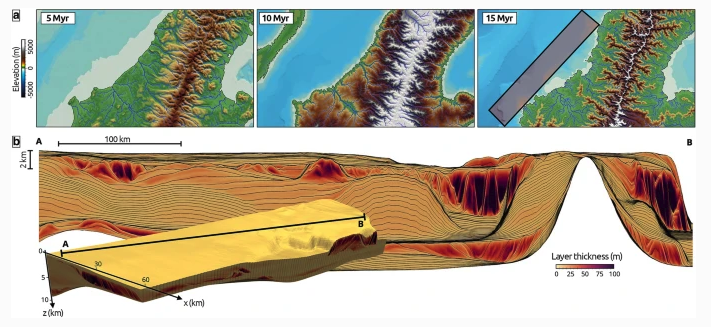
Our capability to reconstruct past landscapes and the processes that shape them underpins our understanding of paleo-Earth. We take advantage of a global-scale landscape evolution model assimilating paleoelevation and paleoclimate reconstructions over the past 100 million years. This model provides continuous quantifications of metrics critical to the understanding of the Earth system, from global physiography … Read more…
Nature Reviews Earth and Environment: Deconstructing plate tectonic reconstructions
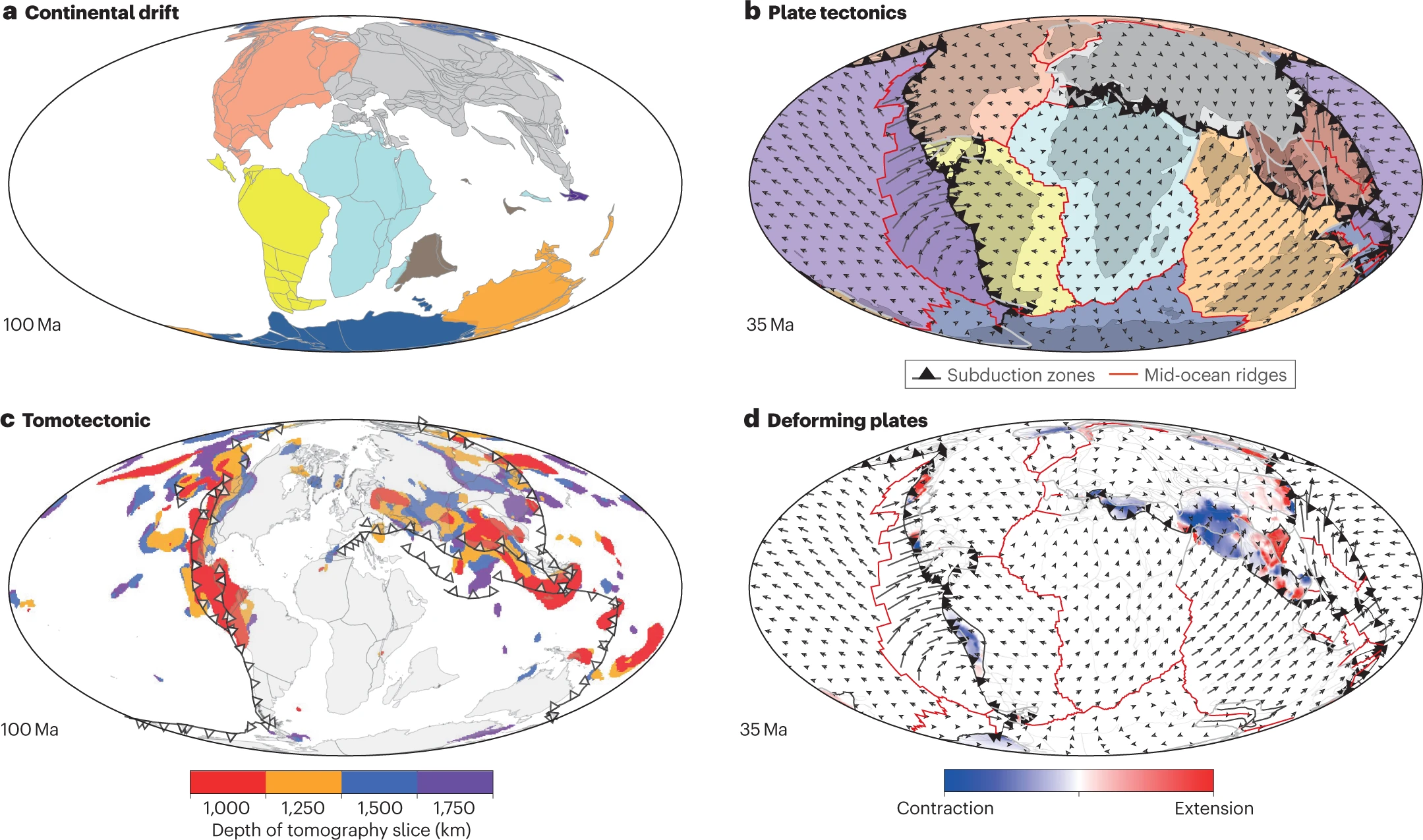
The evolving mosaic of tectonic plates across the surface of the Earth sets boundary conditions for the evolution of biotic and abiotic processes and helps shape the dynamics of its interior. Reconstructing plate tectonics back through time allows scientists from a range of disciplines (such as palaeobiology, palaeoclimate, geodynamics and seismology) to investigate Earth evolution … Read more…
Geology: The role of surface processes in basin inversion and breakup unconformity
In the context of continental extension, transient compressional episodes (stress inversion) and phases of uplift (depth inversion) are commonly recorded with no corresponding change in plate motion. Changes in gravitational potential energy during the rifting process have been invoked as a possible source of compressional stresses, but their magnitude, timing, and relationship with depth inversions … Read more…
Terra Nova: Brief immersion of southern Australia by change in relative plate speed
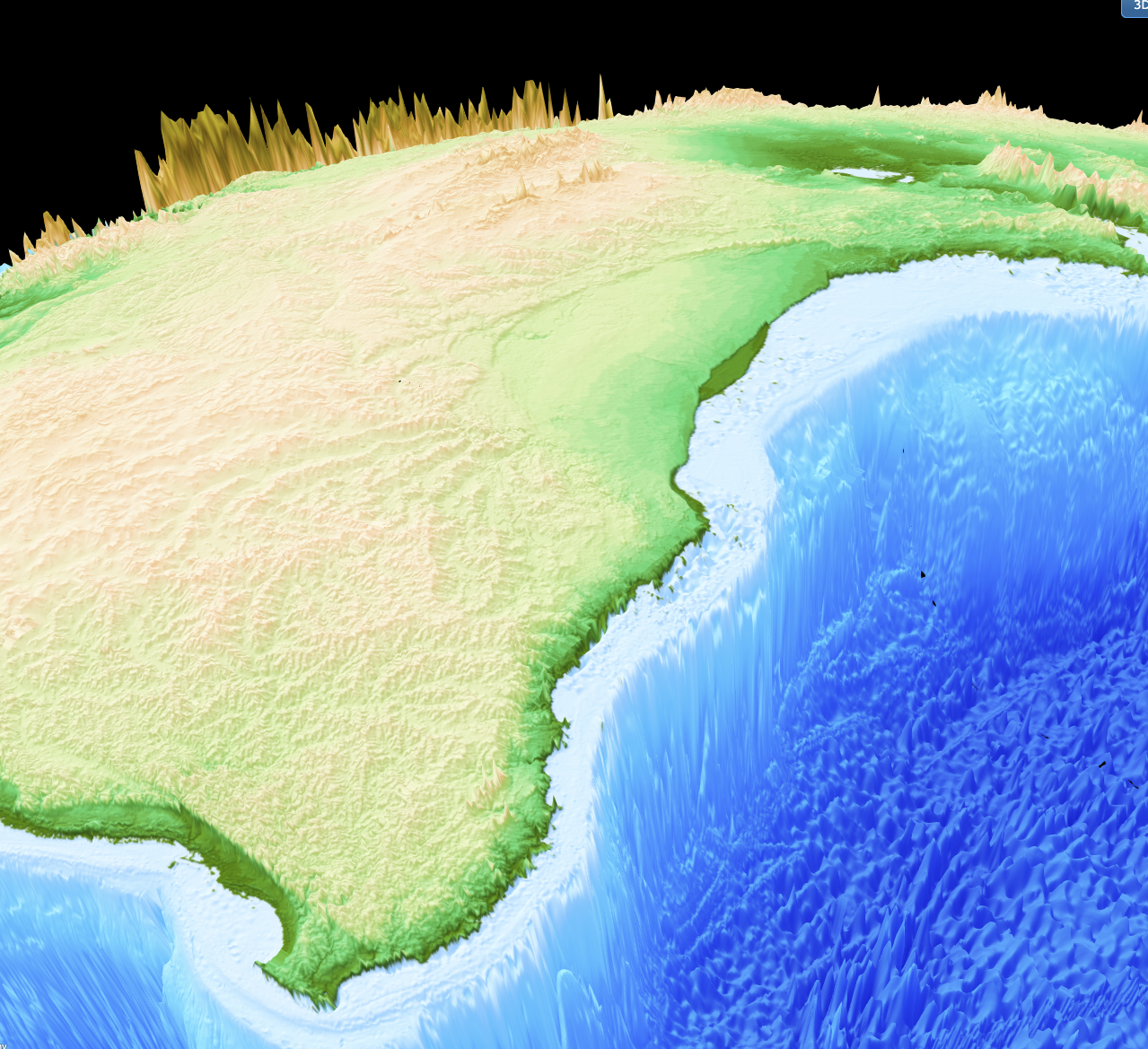
Dynamic subsidence and uplift of plates are often explained by the vertical motion of density anomalies in the mantle. Such models predict surface vertical motion rates of less than 100 m Myr−1 at long-wavelengths with a timespan of tens of Myr. However, during periods of relative sea-level stability, some of the phases of vertical motion … Read more…
J. Struct. Geol.: Microstructural and textural modification of columnar calcite under increasing shear strain (Evia Island, Greece)
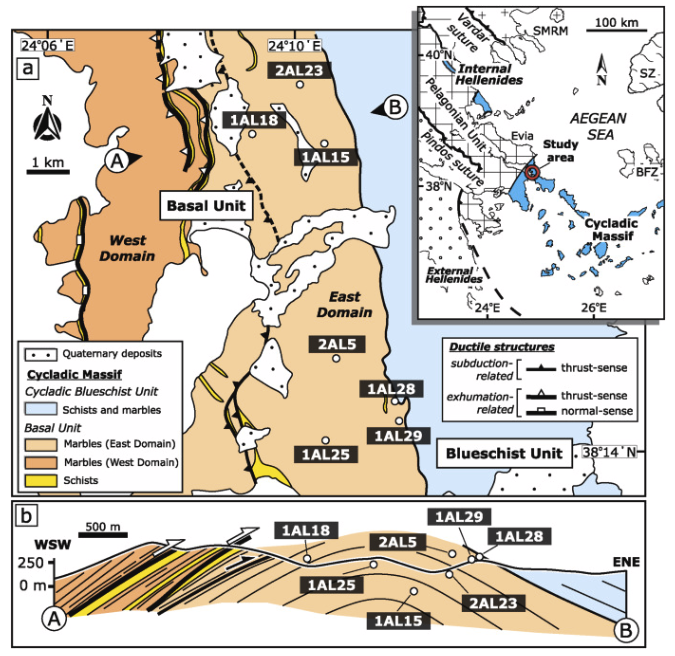
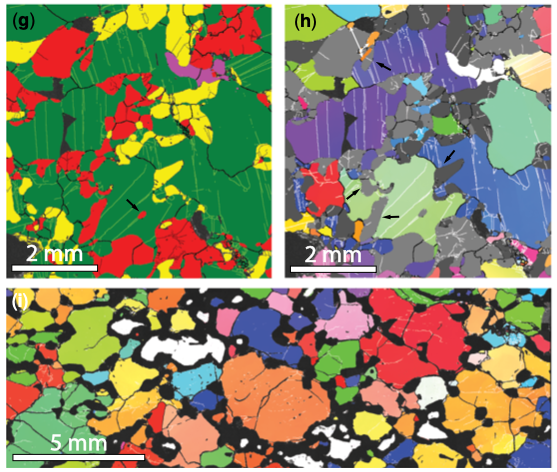
We studied the microstructural and textural modification of columnar calcite naturally deformed at increasing shear strain. The studied marbles were sampled from different structural levels of the Basal Unit of the Cycladic Massif on Evia Island, Greece. The marbles have experienced high pressure metamorphism at peak temperatures around 350 °C. The long axes of the columnar calcite grains and their c-axes were … Read more…
Geol. Soc. London Mem.: Effects of melt-percolation, refertilization and deformation on upper mantle seismic anisotropy: constraints from peridotite xenoliths, Marie Byrd Land, West Antarctica
We report on the petrology, microstructure and seismic properties of 44 peridotite xenoliths extracted from the upper mantle beneath Marie Byrd Land (MBL), West Antarctica. The aim of this work is to understand how melt-rock reaction, refertilization, and deformation affected the seismic properties (velocities, anisotropy) of the West Antarctic upper mantle, in the context of … Read more…
Scientific Reports: Javanese Homo erectus on the move in SE Asia circa 1.8 Ma
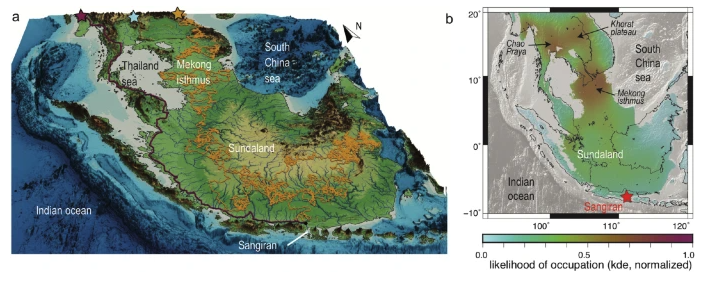
The migration of Homo erectus in Southeast Asia during Early Pleistocene is cardinal to our comprehension of the evolution of the genus Homo. However, the limited consideration of the rapidly changing physical environment, together with controversial datings of hominin bearing sites, make it challenging to secure the robust timeline needed to unveil the behavior of early humans. Here, … Read more…
Marine Geology: Tidal dynamics drive ooid formation in the Capricorn Channel since the Last Glacial Maximum
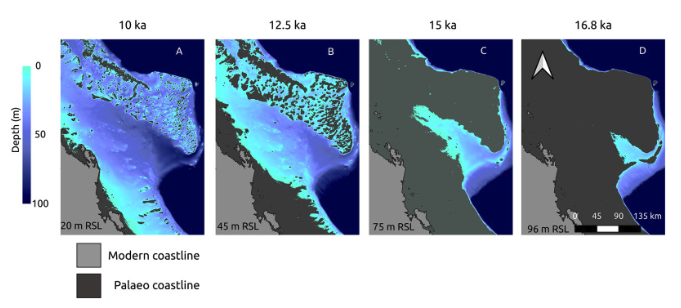
Relative sea-level changes can dramatically alter coastal geomorphology and coastlines, which, in turn, can fundamentally alter tidal regimes. The Great Barrier Reef (GBR) has undergone around 120 m of relative sea level (RSL) rise since the Last Glacial Maximum, ∼20,000 years ago (ka). Ooid grains (sand sized carbonate sediment) that formed in shallow water (>5 m depth) … Read more…
Geoscience Letters: Geophysical model generation with generative adversarial networks
With the rapid development of deep learning technologies, data-driven methods have become one of the main research focuses in geophysical inversion. Applications of various neural network architectures to the inversion of seismic, electromagnetic, gravity and other types of data confirm the potential of these methods in real-time parameter estimation without dependence on the starting subsurface … Read more…
Nature Reviews Earth and Environment: A glimpse into a possible geomorphic future of Tibet
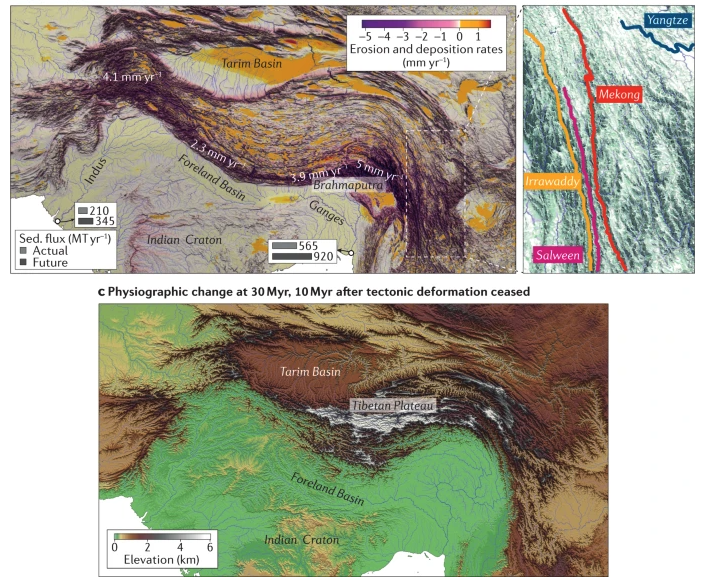
The Tibetan Plateau plays a central role in global atmospheric circulation, acts as a key biodiversity hotspot, and delivers fresh water for more than 20% of the global population. Projecting its future uplift and erosion trajectory over geological time can offer potential testable hypotheses into interactions between tectonic and surface processes. Rey, P., Salles, T., … Read more…